

Upvc Fascias
Overview
-
Sectors Accounting & Finance
Company Description
10 Websites To Help You Develop Your Knowledge About Fascia And Soffit Specialists
Understanding Soffit and Cladding: Importance, Types, and Installation
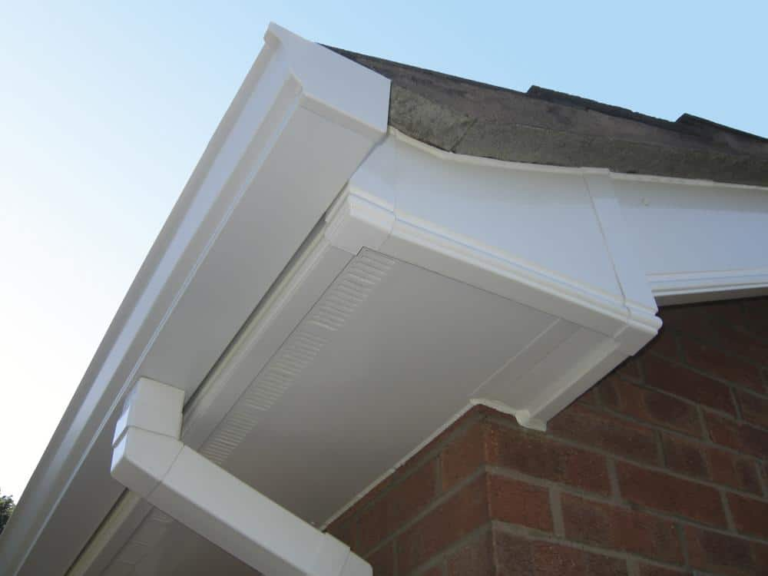
Soffit and cladding are two essential parts of a structure’s outside that often go unnoticed however play a vital role in both looks and performance. While soffit refers to the material that covers the underside of eaves or overhangs, cladding describes the product used to the outside of a building to provide it with a protective layer and an aesthetically attractive finish. This thorough article will explore the types, value, advantages, installation, and often asked concerns concerning soffit and cladding.
Value of Soffit and Cladding
Both soffits and cladding serve considerable functions for building and architectural design:
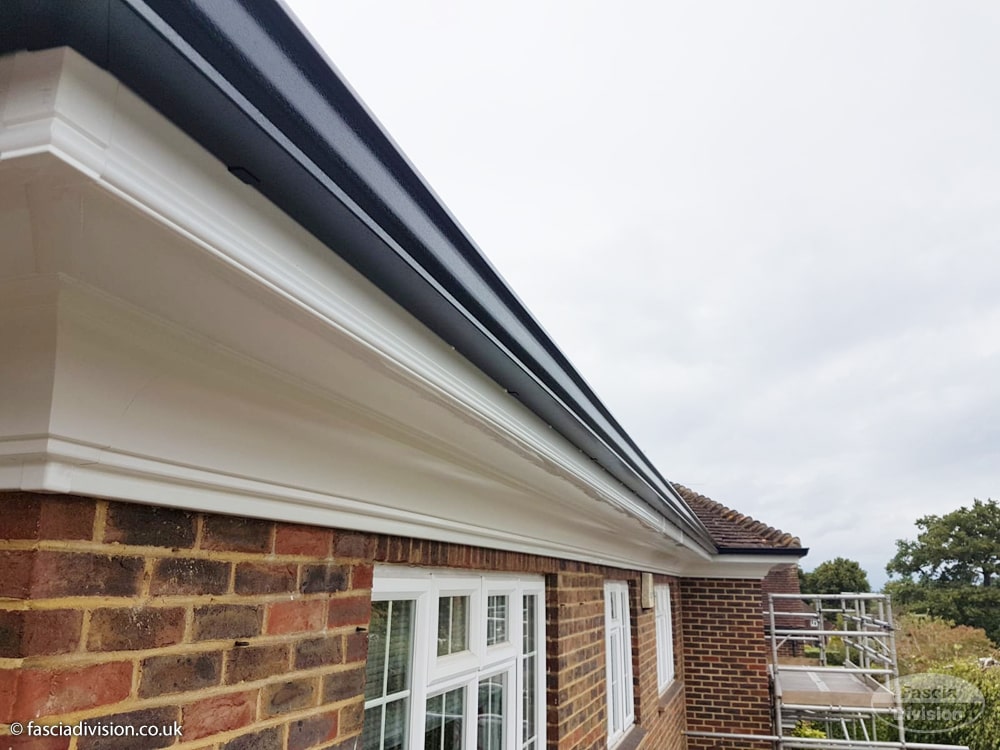
Soffit
- Ventilation: Adequate soffit ventilation enables airflow in the roof area, which helps regulate temperature and humidity, minimizing the threat of mold and rot.
- Protection: Soffits safeguard the rafters and eaves from water damage and insect invasion.
- Aesthetic Enhancement: Well-designed soffits boost the total appearance of a structure, providing a completed look to roofing overhangs.
Cladding
- Insulation: Cladding assists to insulate the structure, enhancing energy performance by preserving interior temperature levels.
- Weather Resistance: It protects the building from components such as rain, wind, and snow.
- Aesthetic Appeal: With a variety of materials offered, cladding permits architects to create visually sensational outsides.
- Maintenance: High-quality cladding lowers the need for frequent maintenance and repairs.
Kinds of Soffit and Cladding
Soffit Types
Soffits can can be found in numerous materials, including:
- Vinyl: Known for its low maintenance and weather-resistant homes.
- Aluminum: Durable and resistant to deterioration but may dent simpler.
- Wood: Offers aesthetic appeal however requires routine maintenance and treatment for weather resistance.
- Fiber Cement: Combines sturdiness with the appearance of wood, resistant to rot and bugs.
Cladding Types
The selection of cladding products can substantially impact both looks and functionality. Typical types include:
- Vinyl Cladding: Cost-effective, lightweight, and readily available in different styles and colors.
- Wood Cladding: Naturally gorgeous, however needs routine treatment and maintenance.
- Brick: Extremely resilient and fire-resistant however more costly and requires professional installation.
- Stone and Stone Veneer: Offers a classic appearance and unequaled durability, perfect for upscale homes.
- Fiber Cement: Mimics wood or masonry with a portion of the maintenance, resistant to weather and bugs.
- Metal Cladding: Often utilized in modern styles, offers a commercial appeal and considerably resists weathering.
Contrast of Soffit and Cladding Materials
The following table describes the key features and qualities of different soffit and cladding products:
| Material | Maintenance | Toughness | Visual Appeal | Expense | Insulation Property |
|---|---|---|---|---|---|
| Vinyl Soffit | Low | Medium | Good | Low | Low |
| Aluminum Soffit | Medium | High | Fair | Medium | Low |
| Wood Soffit | High | Low to Medium | Excellent | Medium | Low |
| Fiber Cement | Low | High | Outstanding | Medium | Medium |
| Vinyl Cladding | Low | Medium | Excellent | Low | Medium |
| Wood Cladding | High | Medium | Excellent | Medium | Medium |
| Brick Cladding | Low | High | Exceptional | High | High |
| Stone Veneer | Medium | High | Excellent | High | High |
| Metal Cladding | Low | High | Fair to Excellent | Medium to High | Low |
Installation of Soffit and Cladding
The installation process of soffit and cladding differs depending on product option and regional structure codes. Nevertheless, comprehending the basic steps included can be helpful:
Steps for Installing Soffit
- Preparation: Gather all tools and materials needed, consisting of panels, nails, and safety gear.
- Measurement: Measure the location precisely to cut soffit panels to the correct size.
- Ventilation: Ensure proper air flow by integrating vents where essential.
- Installation: Attach the panels beginning with one side, ensuring they fit correctly into the recognized framework.
- Ending up Touches: Seal any spaces for insulation and aesthetics.
Actions for Installing Cladding
- Framework Setup: Create a robust structure utilizing vertical battens if needed.
- Insulation: If insulating, install insulation boards before cladding.
- Cutting Panels: Measure and cut cladding panels based on style specs.
- Accessory: Secure panels using suitable fasteners, ensuring positioning and level.
- Sealing: Seal joints and edges for weather resistance.
Regularly Asked Questions (FAQs)
1. What is the average lifespan of cladding products?
The lifespan differs commonly among materials:
- Vinyl: 20-40 years
- Wood: 10-30 years (with maintenance)
- Brick and Stone: 50+ years
- Fiber Cement: 25-40 years
2. Is soffit installation essential?
Yes, soffit installation is vital for appropriate ventilation and protecting the roof structure from weather condition damage, pests, and rot.
3. Can soffit be set up without cladding?
Yes, soffit can be installed individually. However, it is generally set up in conjunction with cladding for boosted aesthetics and security.
4. What elements should be considered when picking cladding?
Essential factors include:
- Desired visual
- Environment considerations
- Budget plan constraints
- Maintenance requirements
- Energy performance
5. Can I set up soffit and cladding myself?
While DIY installation is possible for those with sufficient skills, hiring professionals makes sure quality workmanship and compliance with structure codes.
Soffit and cladding are crucial parts of a building’s exterior that significantly effect visual appeals, functionality, and energy efficiency. Comprehending their types, benefits, and installation procedures can aid homeowners and home builders in making notified decisions. Whether utilizing vinyl, wood, or fiber cement, choosing the right products and ensuring correct installation will improve the longevity and charm of any structure while maintaining its protective qualities.