

French Door Services
Overview
-
Sectors Telecommunications
Company Description
Guide To French Door Professional: The Intermediate Guide Towards French Door Professional
French Door Professional: Elevating Spaces with Elegance and Functionality
French doors have actually long been a symbol of beauty and elegance in home style. They are not merely practical but also a design declaration that can boost both the visual appeals and performance of any space. This short article will check out the functions, advantages, and applications of French doors, highlighting the value of employing a professional for installation and maintenance.
What are French Doors?
French doors are defined by their large glass panels that provide an undisturbed view of the outdoor surroundings while permitting an abundance of natural light to filter inside. Stemming from 16th-century France, these doors were at first developed to open onto terraces, gardens, or patio areas. Modern versions now serve various functions throughout residential and industrial areas.
Key Features of French Doors
- Double Panel Design: French doors usually can be found in pairs, providing a grand entryway or passage.
- Glass Panels: The presence of glass allows for natural lighting, producing an airy atmosphere.
- Versatile Styles: Available in different styles and materials, from timeless wood to modern aluminum.
- Running Mechanisms: Options include hinged, sliding, or folding systems based upon area requirements.
Benefits of French Doors
Incorporating French doors into your home or office can use different benefits, including:
- Enhanced Aesthetics: French doors include beauty and appeal, boosting the total beauty of your area.
- Natural Light: They promote the influx of natural light, making spaces feel more spacious and brighter.
- Increased Property Value: Homes including high-quality French doors generally have greater market value due to their desirable aesthetic appeal.
- Flexible Functionality: French doors can function as entry indicate outside spaces, spaces, and even as interior partitions.
- Energy Efficiency: Modern French doors are designed with energy-efficient materials that decrease air leak and enhance insulation.
Table: Pros and Cons of French Doors
| Pros | Cons |
|---|---|
| Visual appeal | May need more maintenance |
| Plentiful natural light | Possible for condensation |
| Increased home worth | Less security compared to strong doors |
| Versatile style options | Needs ample area to run |
Applications of French Doors
French doors can be used in numerous applications, serving numerous functions within property and industrial properties.
Residential Applications
- Living Room to Patio: Connecting indoor home with outside locations.
- Dining-room: Creating a sophisticated entranceway to official dining-room.
- Bedrooms: Leading to private terraces or gardens, boosting the connection to nature.
- Office: Offering separation without sacrificing light and view.
Industrial Applications
- Cafés and Restaurants: Connecting indoor dining areas to outdoor patios or verandas.
- Retail Spaces: Creating a welcoming store experience.
- Occasion Venues: Providing access to outside spaces during occasions.
Professional Installation of French Doors
While DIY enthusiasts may be lured to set up French doors themselves, hiring a professional can guarantee correct installation, maximizing their functionality and aesthetic appeal. Specialists provide meticulous attention to detail and follow industry standards to ensure the doors’ longevity and performance.
Why Choose a Professional?
- Competence: Professionals have the understanding and experience required to manage complex installation processes.
- Modification: They can recommend tailored options based upon the property owner’s requirements and choices.
- Quality control: Professionals ensure that the doors are firmly fitted, minimizing issues like drafts or incorrect sealing.
- Service warranty and Support: Many installers offer warranties on their work and support for future maintenance.
Frequently Asked Questions about French Doors
1. What products are French doors usually made from?
French doors are frequently made from wood, vinyl, fiberglass, and aluminum, each offering unique benefits in terms of resilience, insulation, and appearance.
2. Can French doors be used internally?
Yes, French doors can also be utilized inside homes to separate spaces while keeping an open feel, enabling light to stream between spaces.
3. Are French doors energy-efficient?
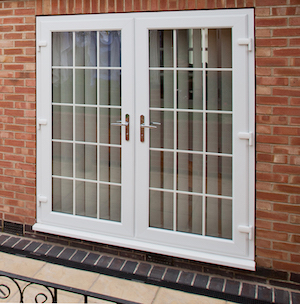
Modern French doors are designed with energy-efficient products and systems such as dual-pane glass, which helps in reducing energy intake.
4. How much do French doors cost?
The cost of French doors varies based upon materials, size, and installation complexity, ranging normally from ₤ 300 to ₤ 2,000 or more, excluding installation costs.
5. How frequently should French doors be kept?
Regular maintenance includes cleaning up the glass panels, oiling hinges, and checking seals for wear and tear. House owners need to also examine them annual to guarantee they run smoothly.
In summary, French doors function as a hallmark of beauty and functionality, improving both property and business areas. From helping with natural light and airflow to providing flexible applications, these doors are an in-demand feature in contemporary architecture. Nevertheless, to optimize their advantages, professional installation and maintenance are important. Working with a certified French door professional can ensure long-lasting fulfillment and efficiency, making it a worthy investment for any property owner.
By welcoming the beauty and practical advantages of French doors, house owners can develop a welcoming atmosphere that flawlessly links indoor and outside home. As this ageless design continues to develop, it stays a staple in classy home design, fascinating locals and visitors alike.