

Single Fan Oven
Overview
-
Sectors Health Care
Company Description
What Is Oven For Kitchen? History Of Oven For Kitchen
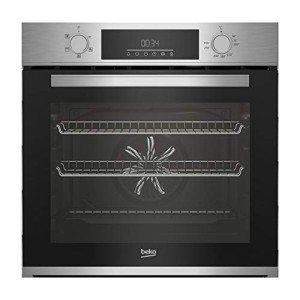
Choosing the Right Oven for Your Kitchen: A Comprehensive Guide
Ovens have actually been a foundation of culinary endeavors for centuries, supplying a vital home appliance for both amateur cooks and professional chefs alike. As modern cooking areas evolve, so too do the types of ovens offered, each designed to satisfy the diverse needs of cooking lovers. The following guide provides a comprehensive summary of various oven types, their functions, and considerations to keep in mind when selecting the best oven for your kitchen.
Kinds of Ovens
When thinking about an oven for your kitchen, it is very important to understand the numerous types offered. Each kind of oven has unique attributes that can influence cooking techniques and overall kitchen performance.
1. Conventional Ovens
Conventional ovens are one of the most basic type, often discovered in homes all over the world. They normally utilize either gas or electric power and provide a straightforward cooking approach.
- Gas Ovens: Utilize natural gas or gas, supplying instantaneous heat and excellent temperature level control.
- Electric Ovens: Use electric coils or a heating element, typically supplying more even heat circulation.
2. Convection Ovens
Convection ovens are created with a built-in fan that distributes hot air around the food, leading to quicker cooking times and more even results.
- Benefits:
- Reduced cooking times (approximately 25% faster)
- Even baking and browning
- Drawbacks:
- May need changes to recipes (lower temperature level or shorter time)
3. Wall Ovens
Wall ovens are a popular choice in modern kitchens, as they can be installed at eye level, conserving counter space and increasing accessibility.
- Single Wall Ovens: Ideal for smaller sized kitchens, suitable for everyday cooking.
- Double Wall Ovens: Increase capacity for large meals and several meals.
4. Range Ovens
Range ovens integrate both a cooking range (with burners) and an oven, offering a compact option for cooking areas with limited area.
- Freestanding Ranges: Standalone systems that can suit any kitchen design.
- Slide-in Ranges: Designed to fit comfortably between cabinets for a more integrated appearance.
5. Steam Ovens
Steam ovens utilize steam instead of dry heat, maintaining wetness and nutrients in food.
- Benefits:
- Healthier cooking alternative
- Suitable for baking bread and cooking vegetables
- Factors to consider:
- May require additional steps for specific meals
Secret Features to Consider
When choosing an oven, consider the following features that can enhance cooking experiences:
| Feature | Description |
|---|---|
| Size | Ensure it fits your kitchen space and fulfills your cooking requires. |
| Self-Cleaning | Makes upkeep easier, removing the requirement for manual scrubbing. |
| Smart Technology | Ovens with Wi-Fi connection can simplify cooking through apps. |
| Temperature Range | A broader range can improve cooking versatility. |
| Security Features | Functions such as vehicle shut-off can enhance kitchen safety. |
Tips for Choosing the Right Oven
Picking the ideal oven can in some cases be a daunting job. Here are numerous pointers to streamline the process:
-
Identify Your Cooking Habits: Consider how typically you prepare and the types of meals you prepare. For example, devoted bakers may choose a convection oven for even baking, while those who cook roasts might lean towards a conventional oven.
-
Step Your Space: Before purchasing, measure the location where the oven will be placed to ensure it fits comfortably with your kitchen design.
-
Consider Your Budget: Ovens range widely in price. It is essential to set a budget plan and think about the long-term worth of the appliance.
-
Read Reviews: Online reviews can supply insight into a design’s efficiency and dependability gradually.
-
Examine Energy Ratings: Energy-efficient models can conserve you cash on utility bills in the long run.
Upkeep and Care
To make the most of the lifespan of your oven, proper upkeep is key. Follow these basic steps:
- Regular Cleaning: Make cleaning up a routine after each usage, and use self-cleaning functions when available.
- Check Seals: Ensure that the door seals tightly; this avoids heat loss during cooking.
- Calibration: Periodically check the oven temperature level for precision. An oven thermometer can assist with this.
- Expert Servicing: Schedule regular maintenance contact a professional to ensure the home appliance operates efficiently.
FAQs
What is the very best type of oven for a small kitchen?
For small kitchen areas, wall ovens or compact range ovens are outstanding options as they take up less space and can be set up to suit readily available kitchen cabinetry.
How do I maintain a gas oven?
Routinely check the burners for obstructions and make sure that the oven’s interior is cleaned up to avoid buildup from spills and splatters.
Can I bake and broil in the same oven?
Yes, most contemporary ovens enable both functions. Examine the user manual for specific directions on running your oven.
What should I do if my oven isn’t warming correctly?
First, examine if it’s appropriately plugged in or if the gas is streaming. If concerns persist, seek advice from a specialist to identify possible issues.
Is it worth investing in a smart oven?
If cooking convenience and the current innovation interest you, investing in a wise oven can be beneficial, as they use a series of enhanced cooking features.
Selecting the best oven for your kitchen is crucial to both the performance and pleasure of your cooking experience. By considering the various kinds of ovens, important functions, and maintenance tips, customers can make an informed choice that fulfills their culinary needs and preferences. Whether you are a casual cook or an enthusiast, the ideal oven can considerably raise your culinary adventures.
