

French Windows And Doors
Overview
-
Sectors Oil & Gas
Company Description
Three Common Reasons Your Windows And Doors Isn’t Working (And What You Can Do To Fix It)
French Windows and Doors: A Comprehensive Guide
French doors and windows represent a traditional architectural function that brings sophistication and elegance to any home. Originating from France during the Renaissance duration, these standard components are characterized by their high, narrow design and multiple panes of glass. In this post, we will check out the history of French doors and windows, their benefits, various styles, and maintenance tips, in addition to resolving regularly asked concerns.
Tabulation
- History of French Windows and Doors
- Advantages of French Windows and Doors
- Kinds Of French Windows and Doors
- 3.1. French Doors
- 3.2. French Windows
- Setup and Maintenance
- Often Asked Questions (FAQs)
- Conclusion
1. History of French Windows and Doors
The concept of French windows and doors go back to the 17th century when they were designed to permit natural light into homes while offering a smooth connection in between indoor and outdoor spaces. This architectural development became part of a more comprehensive trend that embraced light and open spaces, showing the cultural motions of the time.
Over the years, these features have progressed however have actually maintained their aesthetic beauty. French doors became popular in both metropolitan and rural settings, frequently used as entryways to gardens, outdoor patios, or balconies.
2. Benefits of French Windows and Doors
French windows and doors use numerous benefits that make them an attractive choice for house owners:
- Natural Light: The extensive use of glass permits natural sunshine to flood indoor spaces, enhancing the total ambiance.
- Visual Appeal: Their sophisticated design adds a touch of sophistication and class to homes, making them a centerpiece.
- Versatile Design: Available in numerous products, designs, and colors, French windows and doors can complement any architectural style, from traditional to contemporary.
- Boosted Ventilation: They can be opened fully to provide exceptional air flow, improving indoor air quality.
- Connection to the Outdoors: French doors develop a smooth transition between indoor and outdoor locations, suitable for amusing or relaxing in gardens or patio areas.
3. Types of French Windows and Doors
3.1. French Doors
French doors are usually large, double doors that include multiple panes of glass. They typically open outwards or inwards and are typically used as entrances to outdoor patios, verandas, or gardens. French doors can be created to swing or move, depending upon the available space and individual choice.
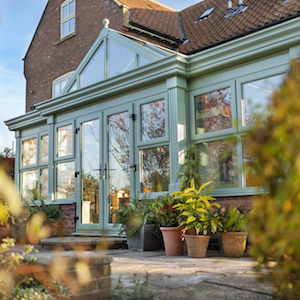
Products Used for French Doors:
- Wood: Offers a timeless look, excellent insulation, and can be painted or stained.
- Vinyl: Low maintenance and energy-efficient but comes in restricted colors.
- Aluminum: Durable and modern-day, frequently utilized in contemporary designs.
3.2. French Windows
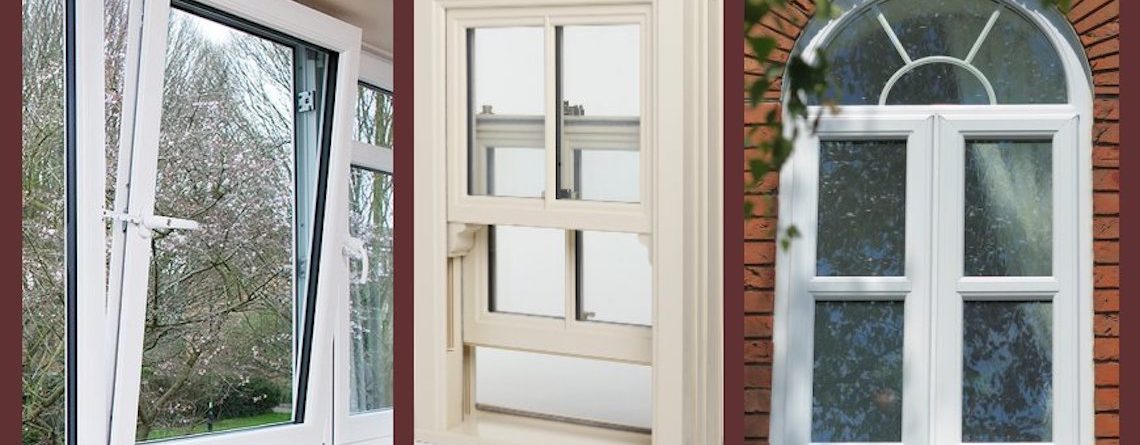
French windows are similar to French doors however are generally narrower and used as basic windows. They can be completely hinged or can open from a center point. They are typically adorned with decorative trim and can also be utilized in pairs to create a wider opening.
Products Used for French Windows:
- Wood: Provides warmth and sophistication but needs regular maintenance.
- PVC: Low-maintenance and energy-efficient, ideal for modern homes.
- Aluminum: Provides durability, is resistant to rust, and requires very little maintenance.
4. Installation and Maintenance
Installation Tips:
- Hiring a professional installer is a good idea to ensure perfect positioning and sealing, particularly for exterior doors/windows.
- Correct measurements are necessary for fitting, as both the door/window and the frame should line up completely.
- Make sure that the picked style matches your home’s style and abides by local building policies.
Maintenance Tips:
- Regularly tidy the glass panes to keep clearness and visibility.
- Inspect seals and weather stripping occasionally to avoid drafts and wetness intrusion.
- For wooden frames, check for signs of degeneration or rot and use sealants or paint as required.
5. Often Asked Questions (FAQs)
Q1: What is the difference between French windows and French doors?A1: French windows are created as window units, frequently narrower than doors, while French doors are larger and function as doorways to outdoor spaces. Q2: Can French doors be used for entryways?A2: Yes, they are frequently used as entry indicate patio areas, gardens, or terraces, adding beauty to home entrances. Q3: Are French doors and windows energy efficient?A3: Yes, lots of producers provide energy-efficient
alternatives with double or triple glazing, guaranteeing ideal insulation to decrease heating & cooling costs. Q4: Do French doors need a lot of maintenance?A4: Maintenance varies by product. Wooden frames require periodic painting or sealing, whereas PVC and
aluminum require very little upkeep. Q5: Can I
customize my French windows and doors?A5: Absolutely! They can be customized in regards to size, color, material, and style to fit the specific aesthetic and
practical requirements of your home. 6. Conclusion French windows and doors are a timeless addition to any home, offering both visual appeal and functional advantages. With their origins steeped in history and their flexibility to adjust to modern design, they continue to be a favored choice for property owners. From bringing natural light into the home to producing a stunning shift in between indoor and outdoor areas, French doors and windows embody both beauty and functionality. Correct setup and upkeep will guarantee that these traditional functions remain a sensational aspect of home design for several years to come.