

Fascias
Overview
-
Sectors Manufacturing
Company Description
Timber Fascias Tools To Ease Your Daily Life Timber Fascias Trick That Every Person Should Learn
Understanding Timber Fascias: A Comprehensive Guide
When it pertains to home building and renovation, the ending up touches often make the greatest impact. One such element that plays both a functional and aesthetic function on a home is the timber fascia. Whether you are constructing a new home or remodeling an existing one, understanding the role and value of timber fascias is essential. In this substantial guide, we will check out numerous aspects of timber fascias, including their advantages, installation, maintenance, and typical questions that emerge.
What is a Timber Fascia?
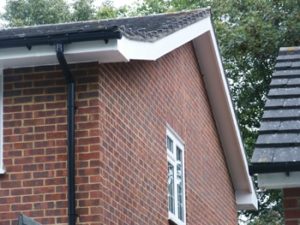
A timber fascia is a horizontal board that runs along the roofline of a building, typically connected to the ends of the rafters or trusses. Its primary function is to support the lower edge of the roofing and offer a finished aim to the eaves. Fascias also serve to safeguard the roofing system’s structure and help in appropriate water drainage from rain gutters.
Secret Features of Timber Fascias
| Function | Description |
|---|---|
| Material | Frequently made from timber, however can also be composite or PVC. |
| Look | Available in a variety of profiles and wood types; can be painted or stained. |
| Functionality | Offers structural assistance, safeguards the roof, and improves aesthetics. |
| Longevity | Long lasting when appropriately kept, however vulnerable to rot and bugs if neglected. |
Benefits of Timber Fascias
Timber fascias provide many benefits that make them a popular option among house owners and contractors. Here are some essential benefits:
-
Aesthetic Appeal: Timber fascias supply a warm, natural appearance that complements different architectural designs. They can be painted or stained to match or contrast with the outside of the home.
-
Sturdiness: Quality timber fascias can withstand the elements when dealt with effectively. They are resilient versus wear and tear, boosting the life expectancy of the roofing system.
-
Water Management: Fascias play an important function in managing water overflow from the roofing system. They act as a barrier that prevents wetness from permeating the roofing system structure.
-
Adaptability: Available in several designs and profiles, timber fascias can be tailored to fit any structure design, making them a flexible option.
-
Eco-friendly: Timber is a sustainable resource, and sustainably sourced timber fascias can considerably decrease the ecological effect of building and construction.
Common Types of Timber Used for Fascias
| Type of Timber | Attributes |
|---|---|
| Pine | Affordable Soffit Replacement, light-weight, and easy to work with. |
| Cedar | Naturally resistant to decay and bugs; aromatic. |
| Redwood | Resilient and gorgeous; typically utilized for premium surfaces. |
| Hardwood (e.g. Oak) | Dense and resilient; offers an unique look. |
Installation of Timber Fascias
Setting up timber fascias needs careful planning and attention to information. Below is a succinct step-by-step guide to ensure an effective installation:
Step-by-Step Installation Guide
-
Preparation: Measure the length of the eaves to identify the required length of the timber fascias. Gather needed tools and materials such as saws, nails/screws, and wood treatments.
-
Cutting: Cut the timber fascias to size, guaranteeing that each piece is aligned with the roofing’s pitch.
-
Sealing: If not pre-treated, use a wood preservative to safeguard against rot and insects.
-
Installation:
- Position the fascia board against the rafter ends.
- Secure the fascia utilizing galvanized nails or screws to avoid rust.
- Guarantee the board is level and flush with the roofline.
-
Finishing Touches: Paint or stain the Fascia And Soffit Experts to improve its appearance and supply extra security versus the components.
-
Gutter Installation: Once the fascias are set up, gutters can be attached for efficient water drainage.
Table: Installation Tools and Estimated Costs
| Tool | Purpose | Estimated Cost |
|---|---|---|
| Measuring Tape | For exact measurements | ₤ 10 – ₤ 20 |
| Miter Saw | For cutting fascia at angles | ₤ 100 – ₤ 300 |
| Nail Gun | For securing fascias effectively | ₤ 50 – ₤ 150 |
| Level | Guaranteeing fascia is straight | ₤ 15 – ₤ 30 |
| Wood Preservative | Protecting timber from moisture | ₤ 20 – ₤ 50 |
Maintenance of Timber Fascias
Regular maintenance is vital to extending the lifespan of timber fascias. Here are some pointers to keep them in optimal condition:
-
Regular Inspections: Check for indications of rot, damage, or bug infiltration at least twice a year, especially after storms.
-
Cleaning: Remove particles such as leaves, dirt, and moss that can trap moisture against the wood.
-
Repainting or Resealing: Every couple of years, repainting or resealing the fascia can protect it from wetness and enhance its longevity.
-
Repairing Damages: Address any damages or signs of wear instantly to avoid further deterioration.
Frequently Asked Question About Timber Fascias
Q1: How frequently must I check timber fascias?A1: It’s advised to inspect them a minimum of twice a year and after heavy storms. Q2: Can timber fascias be painted?A2: Yes, they can
be painted or stained to match your home’s outside. Q3: What should I do if I see rot on my timber fascia?A3: Remove the affected location and change it with brand-new timber, making sure to treat the new wood. Q4: Are
composite fascias better than timber?A4: Composite fascias need less maintenance and are more resistant to moisture
, however many homeowners prefer the natural visual of
timber. Timber fascias are an essential element of roof design that combines functionality with style. By comprehending their benefits, installation practices,
and maintenance needs, homeowners can ensure their fascias stay a stunning and long lasting feature of their homes for years to come. Whether you choose a traditional wood look or a more modern-day alternative, timber fascias will always be a staple in architectural design.