

Best Double Glazing Repairs
Overview
-
Sectors Engineering
Company Description
You’ll Never Be Able To Figure Out This Fogged Up Windows’s Tricks
Understanding Fogged-Up Windows: Causes, Solutions, and Prevention
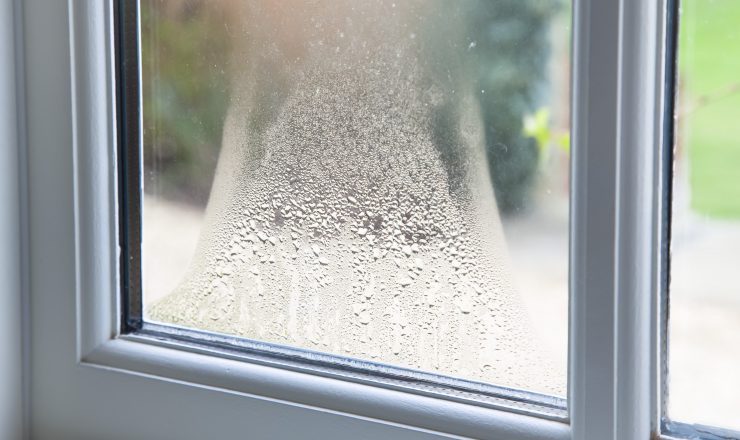
Fogged-up windows can be a source of disappointment for numerous homeowners, car owners, and workplace employees. Whether you’re dealing with condensation on your car’s windshield during winter or misty home windows on a damp afternoon, comprehending the causes and solutions to foggy windows can help maintain clearness and visibility. This post intends to inform readers about what causes windows to fog up, how to avoid it, and the best solutions for defogging.
What Causes Windows to Fog Up?
Misting occurs when the temperature of the glass surface is lower than the humidity of the air surrounding it. This difference causes moisture in the air to condense on the glass, resulting in a foggy look. Below is a breakdown of the primary reasons for fogged-up windows.

| Cause | Description |
|---|---|
| Temperature Difference | When the temperature outside is considerably various from the temperature level inside an area, condensation can form on windows. |
| High Humidity | High levels of humidity in a room or vehicle can lead to excessive moisture in the air, increasing the chances of fogging. |
| Poor Ventilation | Insufficient airflow can trap wet air inside, leading to condensation on windows. |
| Breathing and Activities | Human activities such as cooking, showering, and even breathing can increase humidity levels indoors, causing fogging. |
| Water Leaks | Leakages in home windows, triggering an accumulation of moisture inside the window panes. |
How Fogged-Up Windows Affect Daily Life
Fogged-up windows can reduce exposure, causing safety dangers, specifically when driving. In homes or offices, foggy windows can likewise be unappealing and may offer the impression of bad maintenance. Understanding how to manage and avoid this issue is vital for boosting comfort and safety.
Solutions for Defogging Windows
When confronted with fogged-up windows, fast repairs can be useful. Here’s a list of reliable techniques to defog your windows quickly:
-
Adjust the Temperature: Use your lorry’s heating system or cooling system to help match the temperature level on each side of the glass. In homes, turning on the heating or a/c can help keep a consistent temperature level.
-
Thaw Settings: In vehicles, use the defrost setting. This setting directs air to the windscreen and side windows, consequently increasing air flow and reducing Condensation In Windows.
-
Clean Down: If the internal moisture is very little, cleaning the window with a clean cloth can provide instant clarity.
-
Utilize a Dehumidifier: In homes, particularly basements or rooms with poor ventilation, using a dehumidifier can substantially minimize humidity levels.
-
Open Windows: In some cases, opening windows to allow fresh air flow can reduce indoor humidity levels.
-
Anti-Fog Products: There are business anti-fog sprays available for both automotive and home glass that can help prevent fogging.
| Solution | Efficiency | Recommended Use |
|---|---|---|
| Adjusting Temperature | High | Best for immediate Foggy Windows Repair conditions in automobiles or homes. |
| Thaw Settings | Extremely High | Ideal for automobiles. |
| Wiping Down | Moderate | Quick fix for minimal fog. |
| Using a Dehumidifier | Very High | Long-lasting service for homes. |
| Opening Windows | Moderate | Great for continuous ventilation. |
| Anti-Fog Products | Variable (depending on product) | Useful for avoidance on car windows and mirrors. |
Prevention of Fogged-Up Windows
Preventing windows from misting up is often much easier than treating the scenario as soon as it occurs. Below are some proactive steps to consider:
-
Maintain Adequate Ventilation: Ensure that locations prone to humidity (cooking areas and bathrooms) are well-ventilated. Usage exhaust fans when cooking or showering.
-
Use Insulating Window Films: Applying insulating movies on windows can assist maintain consistent temperature levels and decrease condensation.
-
Seal Leaks: Regularly check windows for drafts or leakages. Seal any gaps to lower moisture entry.
-
Control Indoor Humidity: Use hygrometers to monitor indoor humidity levels. Aim to keep humidity levels listed below 50% to prevent fogging.
-
Regular Cleaning: Regularly tidy windows to remove dust and grime, which can increase Condensation Inside Double Glazing and fogging tendencies.
-
Temperature level Regulation: Maintain a stable indoor temperature to decrease temperature distinctions that can trigger fogging.
| Preventative Measure | Description | Effectiveness |
|---|---|---|
| Keep Adequate Ventilation | Use exhaust fans and open windows to lower humidity levels. | High |
| Use Insulating Window Films | Apply movies to regulate temperature level and decrease condensation. | Moderate to High |
| Seal Leaks | Prevent moisture ingress by sealing gaps or drafts around windows. | Very High |
| Control Indoor Humidity | Monitor and manage humidity levels within living areas. | High |
| Regular Cleaning | Keep windows tidy to lessen dirt, which can trap moisture. | Moderate |
| Temperature Regulation | Keep a constant indoor temperature throughout the year. | High |
FAQ: Understanding Fogged-Up Windows
Q: Why do my windows fog up more in the winter?A: Cold outdoor temperatures clash with warm indoor air, causing moisture to condense on the cool glass surfaces. Q: Is fog on the inside or outside of the
glass?A: If you can wipe it off, it is usually on the inside
. If it doesn’t clear with warming, it may be on the exterior. Q: Can I use vinegar to avoid fogging?A: Yes, wiping windows with a vinegar solution may assist avoid misting temporarily. Q: How can I inform if my windows are leaking?A: Check for condensation in between double-pane windows
, or if you observe drafts when the windows are
closed. Q: Should I use a dehumidifier in winter?A: Yes, dehumidifiers can help minimize indoor humidity levels during winter season, avoiding fogging. Comprehending the causes and solutions to Fogged Up Windows-up windows is important in handling this typical problem efficiently. By using the right preventive steps and restorative actions, people can improve their visibility and comfort, whether in their homes or vehicles. By proactively dealing with humidity levels and temperature distinctions, one can ensure a clearer, more satisfying environment year-round.