

Best Stationary Bikes For Exercise
Overview
-
Sectors Education & Training
Company Description
The Benefits Of Exersise Bike At The Very Least Once In Your Lifetime
The Comprehensive Guide to Exercise Bikes: A Pathway to Fitness
In the realm of fitness, exercise bikes have actually sculpted a sought after specific niche, combining benefit with efficiency for lovers and newbies alike. Whether one is looking to slim down, develop endurance, or merely stay active, the stationary bicycle provides a flexible and effective exercise. This article dives deep into the world of exercise bikes, discussing their advantages, types, key functions, and ideas for maximizing workouts. Moreover, an FAQ section addresses typical queries for anybody thinking about buying this physical fitness equipment.
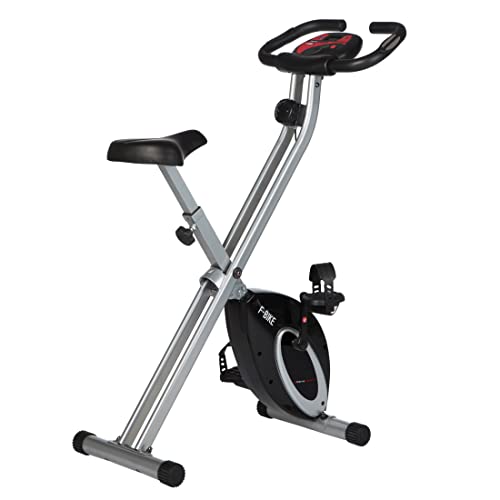
The Benefits of Using an Exercise Bike
Exercise bikes provide a plethora of advantages that cater to different physical fitness levels and objectives. Some of the significant benefits consist of:
- Low Impact on Joints: Cycling is mild on the joints, making it an ideal great exercise bikes for people with joint concerns or arthritis.
- Cardiovascular Health: Regular usage enhances heart health by boosting cardiovascular endurance and promoting much better blood circulation.
- Weight Management: A constant biking regimen can support weight reduction and management by burning considerable calories.
- Convenience: Great Exercise Bikes bikes supply the flexibility to work out in the house, getting rid of the need for gym journeys.
- Personalization of Workouts: Many designs come equipped with programmable functions, enabling users to personalize workouts based on their goals and fitness levels.
Table 1: Benefits of Using an Exercise Bike
| Benefit | Description |
|---|---|
| Low Impact | Mild on joints, suitable for all fitness levels. |
| Cardiovascular Health | Improves heart function and blood circulation. |
| Weight Management | Aids in burning calories for weight reduction. |
| Convenience | Permits exercises from the comfort of home. |
| Personalization | Lots of models offer programmable exercise functions for customized routines. |
Types of Exercise Bikes
When considering an exercise bike, it’s crucial to understand the numerous types available. Each type has its special functions and benefits:
- Upright Bikes: Resembling conventional bikes, these bikes engage the core and upper body while focusing on the legs.
- Recumbent Bikes: These bikes feature a reclining seat that provides back assistance, making them perfect for people with back problems.
- Spin Bikes: Designed for high-intensity workouts, spin bikes have a much heavier flywheel and enable standing while pedaling.
- Air Bikes: These bikes utilize air resistance; the more difficult you pedal, the greater the resistance, promoting a full-body exercise.
Table 2: Types of Exercise Bikes
| Type | Description | Ideal For |
|---|---|---|
| Upright | Conventional bike posture, engaging core and legs. | General physical fitness lovers. |
| Recumbent | Supports the back, ideal for those with discomfort. | People with back concerns. |
| Spin | Heavy flywheel for high-intensity, standing exercises. | Major bicyclists and professional athletes. |
| Air | Uses air resistance; promotes full-body workouts. | High-intensity training candidates. |
Key Features to Consider
When selecting an exercise cycle for sale bike, several essential features ought to be considered to ensure you make an informed decision:
- Adjustability: Look for bikes with adjustable seats and handlebars to make sure a comfortable fit.
- Resistance Type: Bikes might use magnetic, air, or friction resistance. Think about which type aligns with your workout choices.
- Keeping an eye on Features: Features such as heart rate displays, calorie counters, and exercise programs can improve your biking experience.
- Mobility: If area is a concern, choose for a bike that is compact and simple to move.
- Guarantee and Support: Ensure the bike features an excellent service warranty and client assistance for assurance.
Table 3: Key Features of Exercise Bikes
| Function | Importance |
|---|---|
| Adjustability | Vital for comfort and correct type during exercises. |
| Resistance Type | Impacts exercise intensity; select based on personal objectives. |
| Monitoring | Helps track progress and preserve motivation. |
| Mobility | Essential for small spaces; easy to transfer or keep. |
| Warranty | Offers assurance concerning the bike’s sturdiness. |
Tips for Maximizing Your Workout on an Exercise Bike
To get the most out of your stationary bicycle sessions, consider the following suggestions:
- Warm-Up Properly: Just as with any workout, beginning with a warm-up is essential. Invest 5-10 minutes cycling at a low intensity.
- Vary Intensity: Incorporate intervals by alternating in between low and high resistance. This technique can improve cardiovascular fitness and calorie burn.
- Preserve Proper Form: Keep your back directly and exercise Bike Models core engaged while cycling. Avoid leaning forward exceedingly to avoid stress.
- Hydrate: Keep water neighboring and guarantee you remain hydrated throughout your workout.
- Track Progress: Use the bike’s tracking functions to track your heart rate, range, and calories burned. This can help you set goals and remain motivated.
Often Asked Questions (FAQ)
1. How often should I utilize an exercise bike?
For ideal outcomes, go for a minimum of 150 minutes of moderate-intensity cycling weekly. This can be broken down into manageable sessions of 30 minutes, 5 days a week.
2. Can I slim down using a stationary bicycle?
Yes, regular and intense biking can help in weight reduction by burning calories and enhancing metabolism. Pair your exercises with a balanced diet for the very best outcomes.
3. What is the difference between upright and recumbent bikes?
Upright bikes mimic traditional bicycle positioning, engaging the core and upper body, while recumbent bikes provide a supportive seat, reducing strain on the back and offering a simpler trip.
4. Are exercise bikes suitable for newbies?
Definitely! Exercise bikes can be adapted to fit different physical fitness levels. Newbies can start at lower resistance and slowly increase intensity as they build strength and endurance.
5. How do I preserve my exercise bike?
Regularly examine and tighten bolts, tidy the bike after use, and oil moving parts as needed. Follow the producer’s maintenance suggestions for specific care standards.
Stationary bicycle are a versatile tool for anyone looking to enhance their fitness journey. By understanding the different types, crucial features, and optimal use pointers, individuals can select the ideal bike and optimize their workouts effectively. Whether used for leisurely biking or intense training, a stationary bicycle can provide a solid structure for a much healthier lifestyle. So, consider hopping on a stationary bicycle and pedaling your way to better health!