

Casement Window Specialist
Overview
-
Sectors Real Estate
Company Description
See What Residential Casement Window Installer Tricks The Celebs Are Using
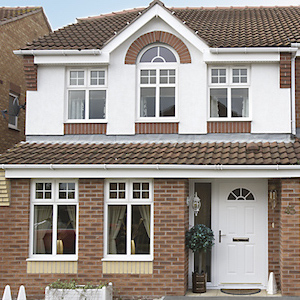
Understanding the Role of a Residential Casement Window Installer
Casement windows have gathered popularity in numerous residential settings due to their enticing aesthetic appeals, energy efficiency, and ease of operation. These windows, depended upon one side and opening outward, offer optimal ventilation and unblocked views. However, the success of a casement window installation hinges on the skill of the installer. This short article will dig into the function of a residential casement window installer, the advantages of having such windows, essential elements of the installation procedure, and regularly asked concerns.
The Benefits of Casement Windows
Before diving into the details of window installation, it’s beneficial to understand why homeowners may pick casement windows. Here are some significant benefits:
- Energy Efficiency: Casement windows can achieve a tighter seal compared to other window types when closed, restricting drafts and decreasing cooling and heating expenses.
- Boosted Ventilation: Their design enables maximum air flow, making them an excellent option for locations with restricted cross-ventilation.
- Unobstructed Views: Casement windows are frequently larger than other window types, offering unblocked views of the outdoors.
- Easy Operation: Most casement windows can be opened effortlessly with a crank, making them available for all member of the family.
- Increased Security: When closed, the locking mechanism on casement windows makes it hard for trespassers to require them open.
Key Responsibilities of a Casement Window Installer
The role of a residential casement window installer is multi-faceted, requiring both technical skills and client service. Here’s an introduction of their main obligations:
1. Assessment
- Examine the house owner’s requirements concerning design, energy effectiveness, and budget.
- Advise window types and materials that best match the home and its environment.
2. Measurement
- Take accurate measurements of existing window openings to make sure an appropriate suitable for the new casement windows.
- Check for any structural issues that may impact installation.
3. Preparation
- Prepare the installation website by getting rid of old windows and ensuring the area is tidy and all set for brand-new windows.
- Check for existing damage to the frame or surrounding structure that needs repair work prior to installation.
4. Installation
- Follow maker standards to set up the windows firmly.
- Usage correct strategies to make sure windows are watertight and function smoothly.
- Seal windows effectively to prevent air and moisture seepage.
5. Post-Installation
- Check all windows for functionality, checking that they open, close, and lock correctly.
- Clean up the installation area, eliminating particles and any packaging products.
- Supply house owners with upkeep pointers and guarantee details.
The Installation Process
The installation of casement windows can be broken down into a number of stages. Comprehending this procedure can assist homeowners value the technical competence required and make notified decisions.
Step-by-Step Installation Process
| Action | Description |
|---|---|
| 1. Preparation | Elimination of old windows and inspection of the opening for structural stability. |
| 2. Measurement | Accurate measurements are considered the brand-new casement windows. |
| 3. Installation | Safe installation of the windows, guaranteeing correct alignment and sealing. |
| 4. Completing | Application of trim and guaranteeing that all parts are visually pleasing and practical. |
| 5. Evaluation | Final look for appropriate operation, sealing, and general surface. |
Often Asked Questions
What is the typical cost of installing casement windows?
The cost of setting up casement windows can vary substantially based upon a number of aspects including size, product, and labor expenses. Usually, homeowners may spend in between ₤ 300 and ₤ 800 per window, including installation.
How long does it take to install casement windows?
The installation of casement windows typically takes one to two days, depending on the number of windows being set up and the specific intricacies of the installation.
Are casement windows energy-efficient?
Yes, casement windows are known for their energy efficiency. When closed, they tend to form a tighter seal compared to moving or double-hung windows, reducing air leaks and keeping indoor temperature levels.
How can I maintain my casement windows?
Routine maintenance of casement windows consists of:

- Checking and cleaning up the tracks and hinges for ideal operation.
- Examining and changing weather condition stripping as required.
- Occasionally clearing out any debris from the window frame.
- Applying lubrication to the hinges to ensure smooth opening and closing.
Can I install casement windows myself?
While some knowledgeable DIY enthusiasts might try to set up casement windows, it is normally advised to employ a professional. Correct installation requires technical abilities to make sure energy efficiency, security, and functionality.
The function of a residential casement window installer is crucial in ensuring that the window installation is performed effectively and efficiently. From the initial assessment to post-installation checks, the installer makes sure that property owners take pleasure in the numerous benefits that feature casement windows. By understanding the numerous aspects of the installation procedure and exploring the benefits of these windows, property owners can make educated decisions that boost the comfort and beauty of their homes. Ultimately, buying a proficient window installer is an essential action towards accomplishing lasting results.