

Cots Offers
Overview
-
Sectors Accounting & Finance
Company Description
10 Things Everybody Hates About Baby Cot Bed
The Ultimate Guide to Choosing a Baby Cot Bed: Safety, Features, and More
When it pertains to welcoming a new baby, among the most crucial purchases parents will make is a baby cot bed. This necessary piece of furniture is not only where a baby will sleep; it’s likewise a space of convenience, safety, and security. Provided the multitude of alternatives offered on the marketplace today, making a notified choice can be overwhelming. This guide intends to streamline the process by covering necessary features, security standards, types of cot beds, and a lot more.
Table of Contents
- Intro
- What is a Baby Cot Bed?
- Security Standards
- Kinds Of Baby Cot Beds
- 4.1 Traditional Cots
- 4.2 Convertible Cot Beds
- 4.3 Portable Cots
- Secret Features to Consider
- Selecting the Right Mattress
- Setting Up the Cot Bed
- Frequently asked questions
- Conclusion
1. Introduction
A baby cot bed functions as a dedicated sleeping location for babies and is designed to provide convenience and safety. As brand-new parents browse the numerous choices readily available, it is important to comprehend the different kinds of cot beds, safety standards, and essential functions to make the best selection.
2. What is a Baby Cot Bed?
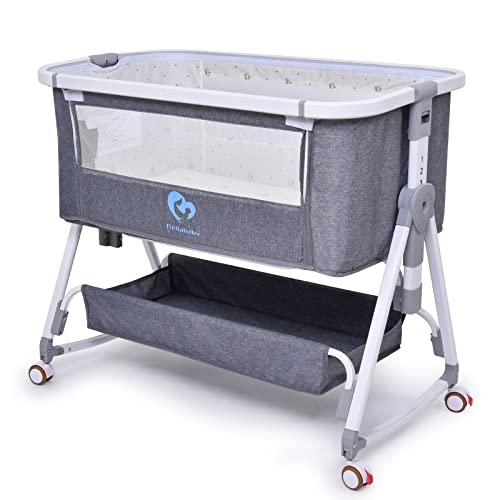
A baby cot bed is a specific piece of furniture where infants sleep. Unlike routine beds, cot beds are specifically designed for babies and offer a safe environment for them to rest. They generally include high sides to prevent children from falling out and frequently included adjustable mattress heights to accommodate a growing child.
3. Safety Standards
When choosing a baby cot bed, security should be the primary factor to consider. Here are some critical safety requirements to bear in mind:
- Certification: Ensure the cot bed satisfies nationwide and international safety requirements, such as the ASTM International and Consumer Product Safety Commission (CPSC) guidelines.
- Slat Spacing: The distance in between slats ought to not surpass 2 3/8 inches to avoid the baby’s head from slipping through.
- Stability: Ensure that the cot bed does not wobble or shake.
- Non-Toxic Materials: Check for non-toxic surfaces and materials to make sure the baby’s safety.
4. Kinds Of Baby Cot Beds
The marketplace offers numerous kinds of cot beds, each accommodating different requirements. Below is an overview of the most typical types:
4.1 Traditional Cots
Standard cots are standalone furniture items designed specifically for infants. They typically include fixed sides and numerous adjustable mattress heights.

4.2 Convertible Cot Beds
Convertible cot beds can be changed into toddler beds, permitting for extended use. This type is an affordable choice as it grows with your child.
4.3 Portable Cots
Portable cots, likewise called travel cots or playards, are lightweight and created for households on the go. They can be quickly assembled and disassembled for travel.
5. Secret Features to Consider
When selecting a cot bed, moms and dads must think about the following features:
- Adjustable Mattress Height: This function permits decreasing the mattress as the baby grows, making it much easier for moms and dads to raise the child.
- Material Quality: Look for a cot bed made from resilient, non-toxic wood.
- Security Features: Some cot beds feature rounded edges and extra safety locking mechanisms.
- Ease of Assembly: Check if the cot bed needs very little tools for assembly and how easy it is to take apart.
- Storage Options: Some cot beds come with integrated drawers for storing baby basics.
6. Picking the Right Mattress
The right mattress is vital for your baby’s sleep quality. Here are some suggestions for selecting an appropriate mattress:
- Firmness: A bed mattress needs to be firm adequate to avoid the baby from sinking in unfathomable, reducing the risk of suffocation.
- Breathability: Opt for breathable materials to ensure correct air blood circulation.
- Water-Resistance: Consider water resistant covers for simple cleaning and hygiene.
7. Establishing the Cot Bed
Setting up the cot bed correctly is important for safety. Here are actions moms and dads must follow:
- Choose the Right Location: Place the cot bed far from windows, cables, and other potential threats.
- Examine the Height: Adjust the bed mattress height based on the child’s age and mobility.
- Remove Extras: Avoid putting pillows, blankets, Crib sets or packed toys inside the cot bed when the baby is sleeping.
- Examine Regularly: Regularly inspect all elements and screws for wear and tear.
8. FAQs
Q1: At what age should a baby transition from a cot to a bed?
Most children transition to a toddler bed between 18 months to 3 years, depending on their development and individual needs.
Q2: How can I guarantee my baby sleeps safely in their cot bed?
Ensure the cot is without soft bedding, toys, and anything that might obstruct the baby’s breathing. Follow all security standards thoroughly.
Q3: Is it required to have a separate nursery for the cot bed?
While numerous moms and dads pick to have a different nursery, it is not a need. As long as the cot bed remains in a safe and quiet environment, it can be placed in the moms and dads’ bed room.
Q4: When is it safe to reduce the bed mattress?
Typically, the bed mattress should be lowered when the baby can pull themselves up or when they can sit individually, typically around 6 months.
9. Conclusion
Choosing the right baby cot bed is a fundamental aspect of getting ready for a brand-new arrival. Moms and dads must focus on security, functionality, and quality, guaranteeing that the cot bed meets their household’s special needs. By making the effort to research study and comprehend different kinds of cot beds, parents can offer a safe and comfy sleeping environment for their kid to flourish.
With careful consideration, moms and dads can guarantee that the cot bed is not simply a piece of furniture, but a sanctuary where their baby can sleep comfortably during those crucial early years.