

French Door Repair Professional Tips
Overview
-
Sectors Manufacturing
Company Description
5 Killer Quora Answers On French Door Locks
Understanding French Door Locks: A Comprehensive Guide
French Door Repair Professional Tips doors are a popular architectural feature in numerous homes, offering sophistication and a seamless shift in between indoor and outdoor areas. Nevertheless, the beauty of these doors comes with its own set of security difficulties. Making sure that your French doors are properly secured is important, which is where French door locks come into play. In this blog post, we will explore the various kinds of French door locks, their functions, installation processes, and maintenance tips. By the end, you will be fully equipped to select the best locking system for your requirements.
What are French Doors?
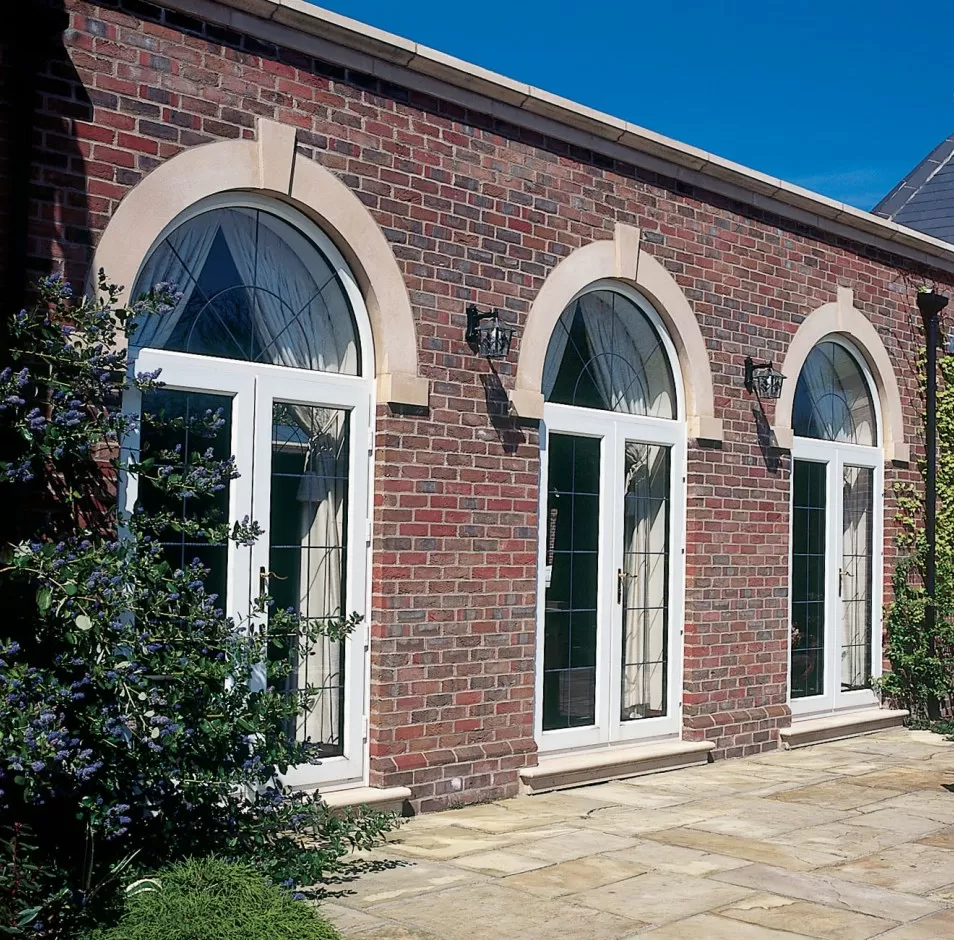
French doors are double doors that generally open outwards and include glass panels framed by wood or metal. They are applauded for their visual appeal and ability to let in natural light. While they improve a home’s appeal, their design can pose security risks if not appropriately secured.
Common Types of French Door Locks
French door locks been available in various types, each offering various levels of security and performance. Here’s a comprehensive look at the most common types:
| Lock Type | Description | Security Level | Ideal Use Case |
|---|---|---|---|
| Deadbolt Locks | A robust lock that protects the door by extending a bolt into the door frame. | High | Main entryways needing strong security. |
| Surface-Mounted Locks | Locks mounted on the surface area of the door. Frequently included a locking system that slides into location. | Medium | For added security on existing French Door Glass doors. |
| Hook Locks | Utilizes a L-shaped hook to latch onto the door frame. Effective however less common. | Medium-High | When additional security is required. |
| Keyless Entry Systems | Electronic locks that utilize a keypad or biometric scanner for entry. | High | Modern homes valuing tech security. |
| Slide Bolts | Simple bolts that move into the door frame to prevent it from opening. | Low-Medium | Secondary locks for included security. |
| Multi-Point Locks | Locks that secure the door at numerous points along the frame. | High | High-traffic locations or larger doors. |
Why Security Matters for French Doors
French doors usually have big glass panels, making them more vulnerable to break-ins compared to strong doors. Here are numerous reasons protecting French doors is crucial:
- Increased Vulnerability: With glass panels, French doors can be targeted by robbers who can break the glass to open the door.
- Access Points: As double doors, they represent 2 gain access to points, which may encourage intruders to attempt and get in.
- Insurance Requirements: Many insurance provider might require particular locking systems to safeguard versus theft-related claims.
- Peace of Mind: Adequate security steps contribute to a much safer living environment, permitting house owners to enjoy their area without concern.
Picking the Right French Door Lock
When selecting the appropriate lock for French doors, consider the following factors:
- Level of Security Required: Assess your community’s safety and the need for greater security locks.
- Design and Aesthetics: Ensure the lock complements the style of the doors and home.
- Budget: Locks been available in varying price ranges. Set a budget that stabilizes cost with the necessary security level.
- Ease of Use: Choose locks that are simple to operate, specifically if children or elderly people will use them.
- Installation Complexity: Some locks may require professional installation, while others are easy to install yourself.
Installation Process for French Door Locks
While setting up a new lock might appear daunting, many property owners can tackle it with the right tools and guidelines. Here’s a general step-by-step procedure for installing a deadbolt lock, among the most safe choices for French doors:
Tools Needed
- Screwdriver
- Drill
- Chisel
- Determining tape
- Pencil
Steps to Install a Deadbolt Lock
- Procedure and Mark: Measure the desired height for the lock and mark it on the door.
- Drill the Hole: Use a hole saw to drill a hole for the lock cylinder, making certain it’s straight.
- Sculpt the Edge: Chisel out a space for the lock’s faceplate.
- Set up the Deadbolt: Insert the deadbolt and secure it with screws.
- Connect the Strike Plate: Install the strike plate on the door frame, ensuring that the bolt extends completely into the frame.
- Check the Lock: Check the lock’s function and make any necessary changes.
Maintenance Tips for French Door Locks
Proper maintenance of your French door locks can extend their life-span and ensure ideal security. Here are some vital tips:
- Regular Lubrication: Use graphite powder or a silicone-based lube to keep locks working smoothly.
- Look for Wear: Regularly examine the lock for any signs of wear or damage; change parts as required.
- Test Security Features: Ensure that all locking mechanisms engage properly and secure the door.
- Clean the Door Frame: Keep the frame and locations around the lock clean to avoid jams or barriers.
- Protected Glass Panels: Reinforce glass panels with security film or window locks to include an extra layer of safety.
FAQ about French Door Locks
Q1: Can I use a standard deadbolt on French doors?
A1: It is not advised to utilize basic deadbolts on French doors unless they are developed to operate with a double door setup. Numerous French doors require specific locks that accommodate their distinct design.
Q2: How do I improve security on French doors?
A2: Consider including multi-point locks, security bars, or window film to make breaking in harder. Frequently inspect that existing locks are working appropriately.
Q3: Are keyless entry systems safe for French doors?
A3: Yes, keyless entry systems can be safe when effectively installed. Ensure you utilize a trustworthy brand and frequently update codes for included security.
Q4: What should I try to find when buying a French door lock?
A4: Look for locks with a high-security ranking, durability, ease of usage, and compatibility with your door style.
In conclusion, securing French Door Contractors doors is an essential aspect of home safety. By comprehending the various kinds of French door locks offered, their functions, and correct maintenance, homeowners can substantially enhance their security and peace of mind. Selecting the best locking system customized to specific needs not only safeguards the home but likewise complements the charm of these sophisticated doors.