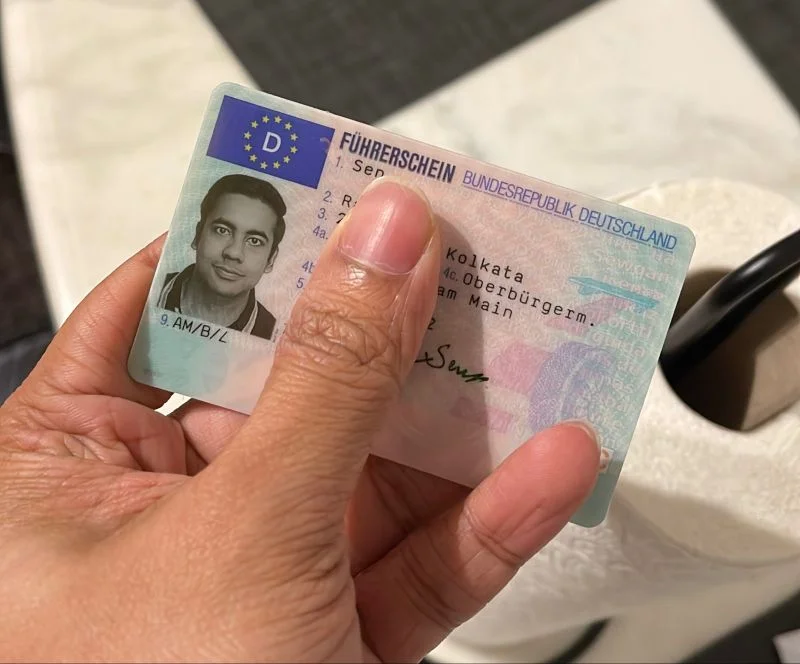
Führerscheinantrag Dauer
Overview
-
Sectors Advisory & Consulting
Company Description
This Week’s Top Stories About German Driving License Information German Driving License Information
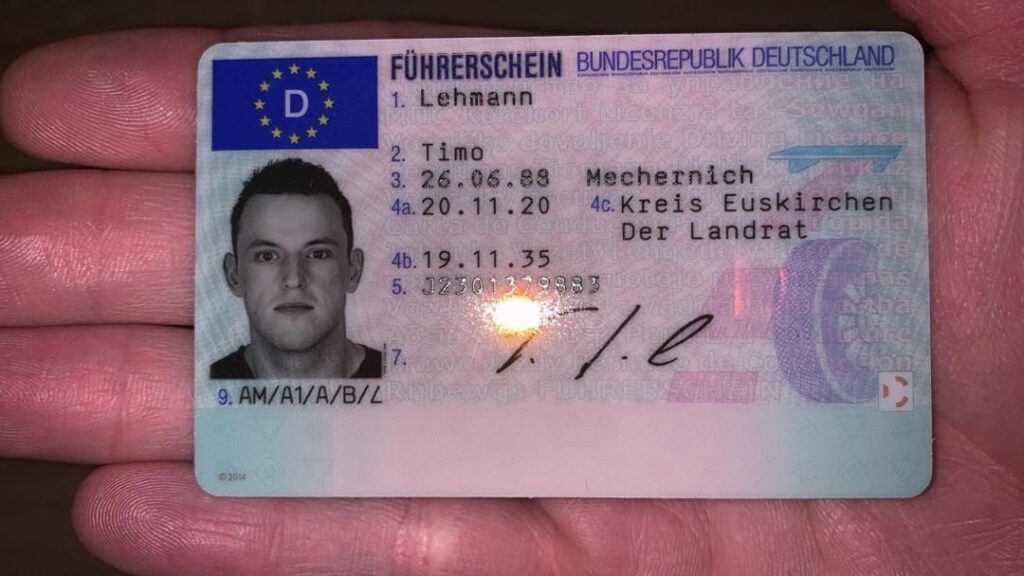
A Comprehensive Guide to the German Driving License Application Process
Obtaining a driving license is an important step for anybody wanting to browse the roads of Germany, whether for personal satisfaction, travelling to work, or taking a trip. The German driving license application procedure can appear intimidating due to the different requirements and regulations, particularly for those not familiar with the system. This article intends to break down the application process into manageable sections, providing valuable insights, tables, and a thorough FAQ section to assist applicants confidently tackle each step.
Comprehending the German Driving License
Germany uses different classes of driving licenses, with the most typical being Class B, beste website füR den erwerb eines deutschen führerscheins which permits the holder to operate traveler vehicles. Other classes include A (motorcycles), C (trucks), and D (buses). It is necessary for anmeldung FüR einen deutschen führerschein candidates to figure out which class they require based upon their driving intentions.
Types of Driving Licenses in Germany
| License Class | Automobile Type | Minimum Age |
|---|---|---|
| A | Motorbikes (over 125cc) | 24 (or Berater FüR Deutsche FüHrerscheine 20 with two years A2 experience) |
| A2 | Motorcycles (up to 400cc) | 18 |
| B | Traveler cars (up to 3.5 lots) | 18 |
| C | Trucks (over 3.5 heaps) | 21 |
| D | Buses | 24 |
Steps to Apply for a German Driving License
1. Determine Eligibility
Before using, prospective candidates should ensure they fulfill certain eligibility criteria:
- Minimum age requirement
- Legal house in Germany
- Valid identity proof (passport or EEA national ID)
- Proficiency in German (reading and understanding)
2. Choose the Right Driving School
Finding a trusted driving school is important. Research local schools, thinking about elements such as:
- Course costs
- Accessibility of automobiles
- Instructor credentials
- Student examines
3. Collect Necessary Documents
When applying for a driving license, applicants need to prepare the following documents:
| Document | Description |
|---|---|
| Identity evidence | Passport or national ID |
| Home permit | Proof of legal home in Germany |
| Eye test certificate | Verification of visual skill from an optician |
| Emergency treatment course certificate | Proof of completion of a very first help course |
| Biometric picture | Recent passport-sized photo |
4. Enlist in a Driving School
Once the needed documents are collected, the next step is to enlist in a driving school. The enrollment process generally involves:
- Filling out an application kind
- Paying the registration charge
- Setting up a schedule for theoretical and practical lessons
5. Theoretical Instruction
Driving schools supply theoretical classes where candidates discover traffic signs, rules, and driving regulations. The theoretical examination covers various topics, consisting of:
- Traffic laws
- Automobile operation
- Ecological factors to consider
- Very first aid
Candidates need to pass this exam before they can advance to useful driving lessons.
6. Practical Driving Lessons
After successfully finishing the theoretical portion, candidates take useful driving lessons. These sessions typically consist of:
- Basic lorry managing
- Driving in different weather
- Night driving
- Highway and city driving
The number of lessons needed can differ, but usually, students might need between 20 to 40 hours of driving guideline.
7. Passing the Driving Tests
Theoretical Exam
The theoretical test normally consists of multiple-choice concerns. Prospects need to accomplish a minimum score to pass.
Practical Exam
The practical driving test is carried out by an official inspector. Prospects should show their driving skills, roadway awareness, and adherence to traffic laws. Passing the useful test is vital to get the driving license.
8. Receiving the Driving License
Once both tests are successfully finished, prospects can look for their driving license at the local driving license authority (Fahrerlaubnisbehörde). The following is required:
- Completed application kind
- All documentation previously collected
- Payment of processing charges
9. License Issuance
After processing, which can take anywhere from a couple of days to a number of weeks, candidates will get their German driving license.
Common FAQs About the German Driving License Application
1. The length of time does the whole procedure take?
The process can take from a few months to over a year, depending upon private scenarios, such as the time taken to finish lessons and schedule exams.
2. What is the cost of getting a German driving license?
The cost differs extensively based upon the driving school and place but usually varies from EUR1,500 to EUR3,000, including lessons, exams, and extra costs.
3. Can I transform my foreign driving license to a German one?
Yes, people from particular countries can transform their foreign licenses without taking further tests, while others might need to complete both theoretical and practical exams.
4. The number of driving lessons do I need?
While there is no set number, professioneller deutscher führerschein führerscheinagentur most learners need between 20 to 40 driving lessons before they are sufficiently prepared for the practical test.
5. What if I stop working the driving tests?
Candidates can retake the tests, although there may be waiting durations and additional charges involved.
6. What should I do if my license is lost or stolen?
Immediately report the loss or theft to the cops and request a replacement at your regional driving license authority.
Navigating the German driving license application procedure might appear complex, but by following these laid out actions and making sure that all paperwork and preparations are in order, candidates can attain their goal of becoming licensed motorists. As they embark on this journey, it is necessary to remain arranged and patient– the rewards of flexibility and mobility on Germany’s roads wait for those who persevere.