

Inbuilt Cooker
Overview
-
Sectors Agriculture
Company Description
5 Killer Quora Answers On Builtin Oven
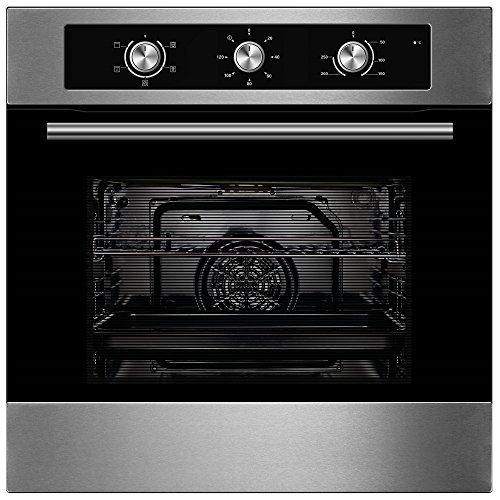
The Comprehensive Guide to Built-In Ovens: Features, Benefits, and FAQs
Built-in ovens are a popular choice for modern kitchen areas, using flexibility, effectiveness, and a smooth style that incorporates flawlessly into kitchen cabinetry. This post will look into the numerous aspects of built-in ovens, including their functions, benefits, setup alternatives, upkeep pointers, and answers to frequently asked questions.
What is a Built-In Oven?
A built-in oven is designed to be installed within kitchen cabinets and is readily available in numerous configurations, such as single or double ovens. Unlike freestanding ovens, built-in models offer a structured look and use more versatility in kitchen style. They come in electric, gas, and steam options, accommodating a variety of cooking preferences.
Features of Built-In Ovens
Built-in ovens are packed with features that improve cooking experiences. Here are some of the most typical features to consider:
| Feature | Description |
|---|---|
| Self-Cleaning | Many designs include a self-cleaning function that burns off residue at high temperature levels, simplifying upkeep. |
| Convection Cooking | This function utilizes a fan to flow hot air, cooking food more uniformly and rapidly. |
| Smart Technology | Some ovens come equipped with Wi-Fi connectivity, allowing users to manage the oven remotely through smartphone. |
| Numerous Cooking Modes | Consist of alternatives such as baking, broiling, roasting, and air frying, providing flexibility for different dishes. |
| Temperature Probe | Keeps an eye on the internal temperature level of food, making sure completely cooked meals whenever. |
| Smooth Design Options | Readily available in numerous finishes (stainless-steel, black, white) to match kitchen decor. |
Advantages of Built-In Ovens
The setup of a built-in oven brings numerous benefits to any kitchen:
- Space Efficiency: Built-in ovens make the most of kitchen area, providing a clean and orderly appearance without compromising functionality.
- Boosted Cooking Performance: With innovative functions like convection cooking and accurate temperature controls, built-in ovens frequently outperform conventional models.
- Style Flexibility: These ovens can be installed at eye level, permitting for simple gain access to without bending down, which can be particularly useful for individuals with physical limitations.
- Improved Resale Value: A well-designed kitchen with high-quality built-in appliances might appeal to prospective purchasers, improving total property worth.
- Modification Options: Many brands offer adjustable designs that fit the specific measurements and visual of private kitchens.
Setup Options
When selecting a built-in Builtin Oven, comprehending the installation options is essential. Here are the most common configurations:
-
Single Built-In Oven: Ideal for smaller kitchens, these systems provide adequate area to cook a range of meals simultaneously, perfect for daily cooking.
-
Double Built-In Oven: Best fit for avid cooks and large families, double ovens permit synchronised cooking at two various temperature levels, suitable for meals that require different cooking methods.
-
Mix Steam and Oven: A hybrid option that combines the advantages of conventional baking with steam cooking. This option is exceptional for retaining wetness in foods, making it ideal for baking bread or roasting meats.
Maintenance Tips for Built-In Ovens
Maintaining a built-in oven is vital for its longevity and optimal efficiency. Here are some useful maintenance suggestions:
-
Regular Cleaning: Use the self-cleaning function when needed, and clean down the exterior and interior surfaces routinely to prevent grease buildup.
-
Examine the Seals: Inspect the oven door seals for any wear or damage to make sure correct insulation and cooking performance.
-
Temperature level Calibration: Occasionally evaluate the temperature level accuracy utilizing an oven thermometer, especially if cooking times seem longer than typical.
-
Ventilation: Ensure adequate ventilation around the oven to avoid overheating, especially for built-in designs that might be surrounded by kitchen cabinetry.
Frequently Asked Questions About Built-In Ovens
1. Are built-in ovens more costly than freestanding models?Yes, built-in ovens tend to be more costly due to their style, installation requirements, and extra features. However, their advantages can justify the expense in the long run.
2. Can you install a built-in oven yourself?While some helpful individuals might try to install a built-in oven, it is suggested to hire an expert to ensure proper setup, ventilation, and security requirements.
3. What is the average lifespan of a built-in oven?The typical life expectancy of a built-in oven is around 10 to 15 years, depending on use and upkeep. Routine care can assist extend its durability.
4. Are built-in ovens energy effective?Lots of contemporary built-in ovens are created with energy performance in mind, incorporating features like insulation and precise temperature level controls that may minimize energy intake compared to older models.
5. Can a built-in oven be fixed if it breaks?Yes, built-in ovens can often be fixed. It is advisable to call a certified specialist for diagnoses and repairs to ensure safety and compliance with warranty arrangements.
Built-in ovens are an outstanding addition to any modern-day kitchen, offering a mix of style, functionality, and advanced cooking features. With the best knowledge about their functions, benefits, and upkeep, property owners can make educated choices to enhance their cooking experiences. As kitchen design trends continue to develop, the built-in oven stays a staple for those wanting to blend visual appeals with performance in their cooking areas.