

Purchase Drivers License Online
Overview
-
Sectors Information Technology
Company Description
You’ll Be Unable To Guess Drivers License Uk’s Tricks
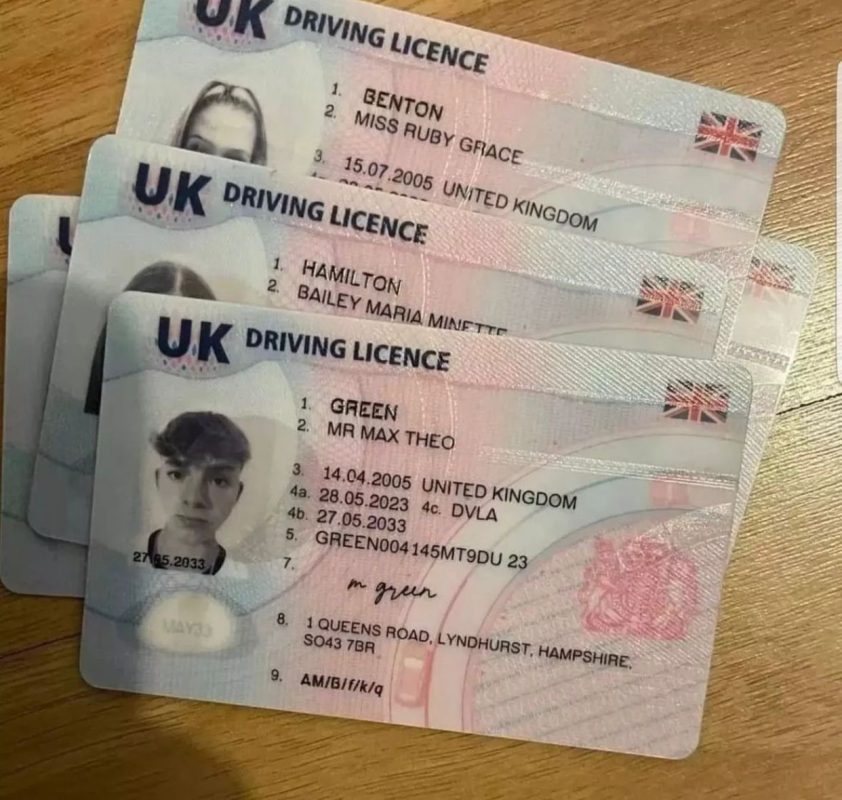
Understanding the UK Driver’s License: A Comprehensive Guide
In the United Kingdom, getting a driver’s license is a pivotal step towards independence and movement. It is not only a gateway to personal liberty however also a substantial duty. This short article looks for to detail the process of obtaining a driver’s license in the UK, the various classifications of licenses, and some important regulations that drivers must follow.
Kinds Of UK Driver’s Licenses
Before delving into the application procedure, it is vital to comprehend the different types of driver’s licenses available in the UK. The main classifications are:
-
Provisional License: This is the very first action for anyone looking to learn to drive. It permits the holder to practice driving while under the supervision of a qualified driver.
-
Full License: Once the driving test has actually been successfully completed, the individual will receive a complete driver’s license, which allows them to drive independently.
-
Special Licenses: There are special licenses for particular automobiles such as motorbikes (Category A), buses (Category D), and trucks (Category C).
-
European Driving License: Though it stands out from the UK driver’s license, the European driving license permits for driving in lots of EU countries without the requirement for an extra license.
The Process of Obtaining a UK Driver’s License
1. Obtain a Provisional License
To start the journey towards getting a driver’s license, striving motorists need to initially look for a provisionary license. Here’s how to do it:
- Eligibility: Applicants must be at least 15 years and 9 months old.
- Application: Individuals can apply online or through postal services by sending a leaflet from the Driver and Vehicle Licensing Agency (DVLA).
- Cost: A fee is required for application (as of 2023, it’s about ₤ 34 online and ₤ 43 via post).
- Identity Proof: Acceptable identification consists of a passport or a biometric house license.
2. Get ready for the Theory Test
Once the provisionary license is gotten, the next action is to get ready for the theory test, which evaluates a student driver’s understanding of road rules and risks. This consists of:
- Multiple-Choice Questions: A series of questions based upon the Highway Code.
- Danger Perception Test: An evaluation to recognize prospective hazards while driving utilizing video clips.
3. Take Driving Lessons
It is usually advisable to take professional driving lessons from an Approved Driving Instructor (ADI). These lessons supply important hands-on experience and knowledge about roadway security, in addition to assisting learners become comfy behind the wheel.
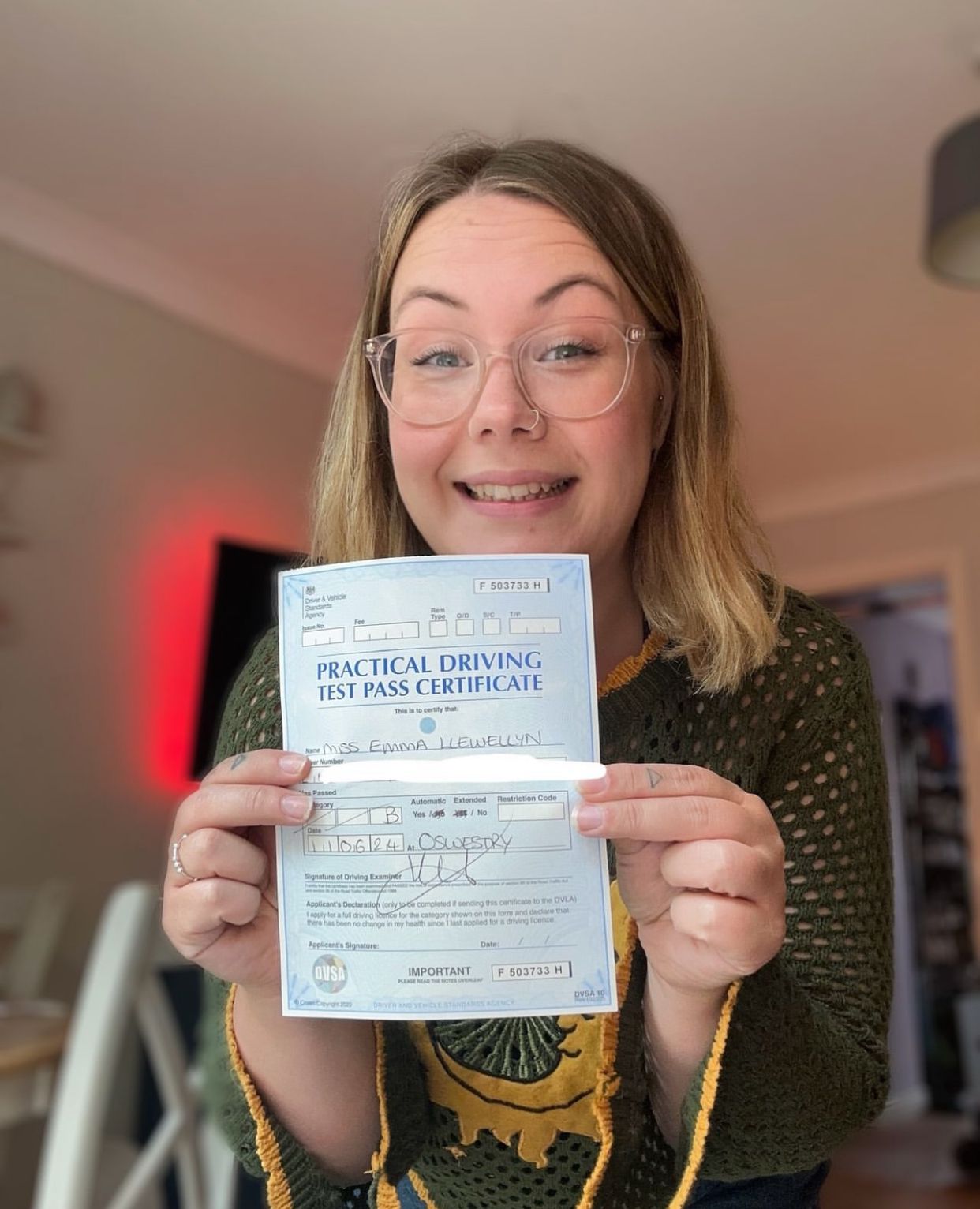
4. Reserve the Practical Driving Test
After passing the theory test and obtaining adequate driving abilities, learners should reserve a practical driving test through the DVLA. The testing process typically includes:
- Driving Maneuvers: Candidates are assessed on their capability to perform vital driving strategies such as parallel parking and emergency situation stops.
- Roadway Safety Compliance: Demonstration of compliance with roadway indications, signals, and rules.
5. Obtain a Full Driver’s License
Upon success in the practical driving test, the candidate will receive a pass certificate which enables them to obtain a full driver’s license. The DVLA will send a complete license if all requirements have been fulfilled.
Driving Regulations and Responsibilities in the UK
Once a complete driver’s license has been obtained, it is crucial for drivers to comprehend and stick to the laws and policies governing road use in the UK. Here are a couple of key obligations:
- Insurance: It is compulsory for all drivers license Uk to have legitimate car insurance coverage before supporting the wheel. This protects versus monetary loss from accidents or theft.
- Road Tax: Vehicle import tax task, frequently referred to as road tax, need to be paid yearly.
- MOT Test: Cars older than three years should undergo a yearly MOT (Ministry of Transport) test to ensure their roadworthiness.
- Adhere to Speed Limits: Each roadway has actually designated speed limitations that must be followed.
- Use of Seatbelts: Wearing seat belts is compulsory for drivers and passengers.
FAQs about UK Driver’s License
1. How long does it take to get a driver’s license in the UK?
The time taken to obtain a driver’s license differs substantially between individuals. On average, learners invest about 45 hours getting trained with an instructor, followed by an additional 22 hours of private practice. After booking tests, the processing of applications can also take a few weeks.
2. Can I drive with a provisional license?
Yes, you can drive with a provisional license, but you must be accompanied by a driver who is at least 21 years old and holds a full license for the type of car being driven.
3. What happens if I fail my driving test?
If you fail your driving test, the examiner will provide feedback on areas for improvement. You can retake the test, but it is normally suggested to take a few additional lessons to strengthen your skills before trying again.
4. Can I drive in the UK with an EU driving license?
Yes, EU driving licenses stand in the UK. Nevertheless, those preparing to remain in the UK for more than 12 months need to consider exchanging their EU license for a UK one.
5. What do I require to do if I lose my driving license?
If your driving license is lost or taken, you should report it to the DVLA and apply for a replacement. You will need to supply identification and pay a cost.
Navigating the procedure of obtaining a driver’s license in the UK can appear overwhelming, but understanding each step streamlines the journey. From acquiring a provisional license to passing the useful test, each phase prepares for responsible driving and compliance with the laws governing road usage. Always bear in mind that driving is a privilege that includes responsibilities, and continued adherence to the regulations makes sure the safety of all road users.