

Static Bike Exercise
Overview
-
Sectors Advisory & Consulting
Company Description
5 Gym Bicycle Lessons From The Pros
The Gym Bicycle: An Essential Tool for Fitness Enthusiasts
Introduction
In the ever-evolving landscape of the fitness market, gym bicycles have actually emerged as among the most popular tools. With a blend of cardiovascular exercise and strength-building capacity, stationary bicycles provide a reliable method to enhance physical conditioning, lose weight, and boost total health. This article dives deeply into the numerous kinds of gym bicycles, their advantages, and how to include them into a fitness routine.
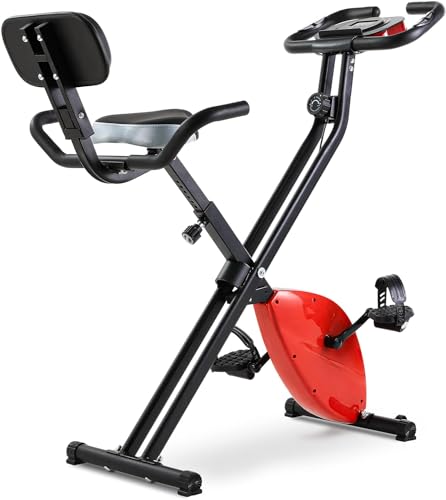
Types of Gym Bicycles
Gym bicycles been available in numerous forms, each catering to different fitness requirements and preferences. Below is a thorough table showcasing the primary kinds of gym bicycles readily available:
| Type of Gym Bicycle | Description | Ideal For |
|---|---|---|
| Upright Bike | Simulates a standard roadway bicycle; users cycle in a seated position. | Those searching for a high-intensity home workout equipment. |
| Recumbent Bike | Functions a larger seat and back assistance, leaning users back during biking. | People with pain in the back or movement issues. |
| Spin Bike | Developed for extreme cycling sessions, typically used in group classes. | Spin lovers and advanced cyclists. |
| Air Bike | Uses fan resistance; the quicker the pedaling, the higher the resistance. | High-intensity period training (HIIT) fans. |
| Hybrid Bike | Combines functions of various types, using flexible use. | General fitness lovers seeking a balanced workout. |
Benefits of Using Gym Bicycles
Gym bicycles use various advantages for people seeking to enhance their fitness journey. Here are some significant benefits:
-
Cardiovascular Fitness: Cycling assists reinforce the heart and lungs, enhancing general cardiovascular health.
-
Low-Impact Exercise: Unlike running, biking is simpler on the joints, making it an appropriate choice for people with arthritis or those recuperating from injury.
-
Weight-loss and Fat Burning: Regular biking sessions can burn a substantial number of calories, helping in weight-loss efforts.
-
Muscle Tone and Strength: Cycling engages numerous muscle groups, including the quadriceps, hamstrings, calves, and glutes, helping in muscle toning.
-
Improved Coordination and Balance: Cycling requires core stabilization, consequently enhancing overall body coordination and balance.
-
Mental Health Benefits: Engaging in physical activity, consisting of cycling, launches endorphins, helping to improve mood and reduce stress levels.
How to Incorporate Gym Bicycles into Your Routine
Including gym bicycles in an exercise routine can be smooth and enjoyable. Here is a suggested plan for integrating biking exercises:
Setting Goals
- Define your fitness goals: Determine whether you’re wanting to reduce weight, develop endurance, or just remain active.
Arrange Cycling Sessions
- Frequency: Aim for a minimum of 3– 5 biking sessions each week.
- Duration: Start with 20– 30 minutes per session and slowly increase to 60 minutes as endurance builds.
Varying Intensity
- Period Training: Alternate between periods of high-intensity biking and lower-intensity recovery, such as:
- 1 minute of fast pedaling
- 2 minutes of slow healing
Monitor Progress
- Track Workouts: Use fitness apps or wearable devices to keep a record of biking period, distance, and intensity.
FAQs About Gym Bicycles
1. What are the distinctions between upright bikes and recumbent bikes?
Upright bikes imitate conventional bicycles, motivating an upright position that engages the core more actively. Recumbent bikes offer back support and a reclined position, making them more comfy for users with back concerns.
2. Can I slim down by utilizing a gym bicycle?
Yes, utilizing a gym bicycle can be an effective part of a weight reduction plan, particularly when integrated with a balanced diet plan and a caloric deficit.
3. How can I avoid pain while biking?
Ensure your bike is correctly gotten used to fit your height. Furthermore, consider cushioned shorts and shoes for additional convenience during longer sessions.
4. Is it safe for older adults to utilize gym bicycles?
Yes, stationary bicycles are generally safe for older grownups, as they offer a low-impact form of exercise that can boost cardiovascular fitness without extreme stress on the joints.
5. How often should I use a gym bicycle?
Go for a minimum of 3– 5 times each week, changing frequency based upon fitness levels and individual objectives.
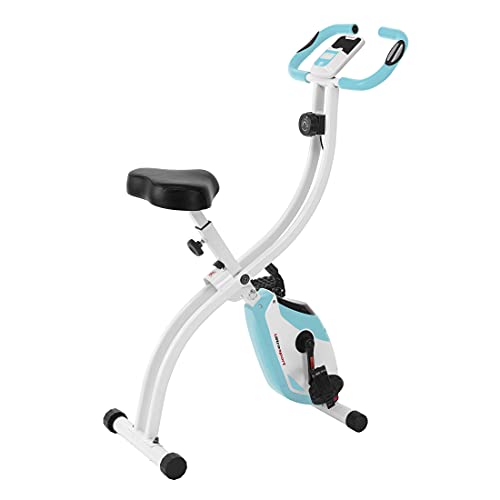
Gym bicycles provide a diverse method to fitness, catering to different needs while engaging users in an effective cardiovascular exercise. Whether one prefers an upright bike for extreme sessions or a recumbent bike for convenience, these devices provide an excellent opportunity for improving general health. With the ideal approach and commitment, integrating gym bicycles into a regimen can yield significant advantages, causing enhanced well-being and fitness.
In summary, the gym bicycle is not simply a fitness tool; it is a stepping stone towards a healthier lifestyle. As fitness lovers check out the breadth of alternatives offered, the gym bicycle sticks out for its flexibility and effectiveness, showing that cycling, whether stationary or on the road, is an ageless activity that can be delighted in by all.