

Timber Fascias
Overview
-
Sectors Engineering
Company Description
You’ll Never Guess This Soffit And Cladding’s Tricks
Understanding Soffit and Cladding: Enhancing Architectural Aesthetics and Functionality
Soffit Board Replacement and cladding are important components in the building of residential and industrial buildings. While often ignored by property owners and contractors alike, they play essential roles in architectural visual appeals, structural stability, and energy effectiveness. This article aims to provide a thorough overview of soffit and cladding, outlining their functions, types, advantages, and maintenance considerations.
What is Soffit?
Soffit refers to the underside of any architectural feature. In property building, soffit typically refers to the product covering the horizontal underside of eaves, or the location underneath the overhanging section of a roof.
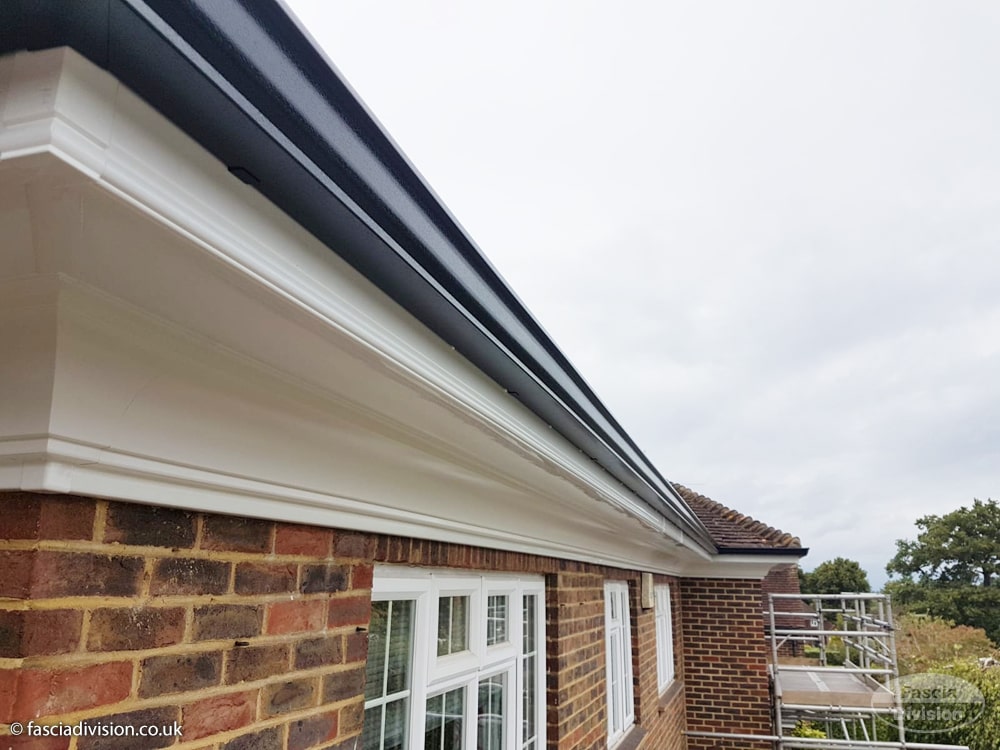
Functions of Soffit:
- Ventilation: Soffit can assist in air flow into the attic, helping to regulate temperature and prevent wetness buildup.
- Defense: It safeguards the sensitive areas below the roofing overhang from the aspects, such as rain and snow.
- Aesthetic Appeal: Soffit finishes can improve the visual appeal of a structure, matching the total architectural style.
Types of Soffit:
| Type | Material | Attributes |
|---|---|---|
| Wooden Soffit | Wood, Plywood | Visual, adjustable, however prone to rot |
| Vinyl Soffit | PVC | Resilient, low maintenance, available in various colors |
| Aluminum Soffit | Aluminum | Lightweight, rust-proof, and long-lasting |
| Fiber Cement | Cement and Fiber | Fire-resistant and resilient, Soffit Board Replacement needs painting |
What is Cladding?
Cladding is the external layer or covering of a building’s walls. It works as a protective barrier against weather components while likewise being a substantial consider the structure’s aesthetics. Cladding can be made from different products, using a large range of designs and surfaces.
Functions of Cladding:
- Weather Protection: Cladding shields the structure from wind, rain, snow, and UV rays.
- Insulation: It can boost thermal insulation, enhancing energy effectiveness by maintaining indoor temperatures.
- Soundproofing: Certain cladding materials can help minimize noise levels from the exterior.
- Visual Versatility: Cladding contributes substantially to the building’s character, with choices ranging from modern to standard designs.
Types of Cladding:
| Type | Material | Key Features |
|---|---|---|
| Vinyl Cladding | PVC | Affordable, low maintenance, resistant to moisture |
| Wood Cladding | Timber Fascias | Natural visual however requires regular maintenance |
| Metal Cladding | Steel or Aluminum | Resilient, contemporary appearance, typically insulated |
| Brick Cladding | Fired Clay | Timeless appeal, excellent insulating residential or commercial properties |
| Fiber Cement | Cement and Fiber | Fire-resistant, available in many textures |
Advantages of Soffit and Cladding
Soffit Benefits:
- Improved Air Quality: By promoting ventilation in the attic, soffit helps in reducing moisture and mold growth.
- Boosted Building Life: Protects structural components from severe weather condition, extending the life of the building.
- Visual Cohesion: Complements other architectural components, adding to curb appeal and general looks.
Cladding Benefits:
- Energy Efficiency: Insulating cladding products help in reducing energy expenses by keeping consistent indoor temperatures.
- Comprehensive Design Options: Offers a wide variety of colors, textures, and styles that can match any architectural vision.
- Low Maintenance: Many contemporary materials require little maintenance, enabling homeowner to take pleasure in a beautiful outside with minimal effort.
Installation Considerations
Soffit Installation:
- Material Selection: Choose a material that suits the environment and visual requirements.
- Vent Placement: Ensure adequate ventilation to prevent wetness accumulation.
- Professional Installation: Depending on the intricacy of the roofing structure, professional installation may be recommended.
Cladding Installation:
- Building Codes: Always seek advice from local building codes to make sure certified installation.
- Framework Preparation: Ensure the underlying frame is safe and secure and all set to support the cladding.
- Sealing Fascias And Soffits Insulation: Proper sealing and insulation during installation can boost efficiency and durability.
Maintenance Tips
Soffit Maintenance:
- Regular Inspections: Check for indications of rot, damage, or insect infestation.
- Cleaning: Keep vents clear of debris to maintain air flow.
- Touch-ups: Repaint or refresh finishes as required to guarantee visual appeals.
Cladding Maintenance:
- Surface Cleaning: Regularly wash to avoid dirt buildup. Some products may require specific cleansing techniques.
- Examine for Damage: Look for cracks, rust, or warping, specifically in products such as wood and metal.
- Sealants and Paints: Reapply sealants and paints as needed to secure versus the elements.
Frequently Asked Questions (FAQ)
Q1: How can I choose the best soffit and cladding for my home?
A: Consider your regional climate, budget, and preferred visual. Research study the benefits and drawbacks of different materials to make an educated choice.
Q2: Can soffit and cladding be set up DIY, or should I work with experts?
A: Simple installations may be managed by DIY enthusiasts. However, for complicated structures or to make sure compliance with codes, employing specialists is suggested.
Q3: What is the average life-span of soffit and cladding materials?
A: Lifespan differs by material; vinyl soffits can last as much as 30 years, while wooden cladding may need Roofline Replacement every 15-20 years, depending upon maintenance.
Q4: How often should I inspect my soffit and cladding?
A: A yearly examination is advised to catch possible concerns before they end up being considerable problems.
Soffit and cladding are not simply practical components of a building; they are integral to its visual beauty and structural sturdiness. Comprehending the various materials, their maintenance, and advantages enables homeowners and contractors to make educated choices that yield long-lasting benefits. Including quality soffit and cladding can improve a structure’s total performance and considerably enhance its curb appeal, making it a beneficial financial investment for anybody included in building and construction or remodelling jobs.